Pool basics
What Is a Certified Pool Operator?
A closer look at the people behind water testing, equipment checks, and daily pool operations.
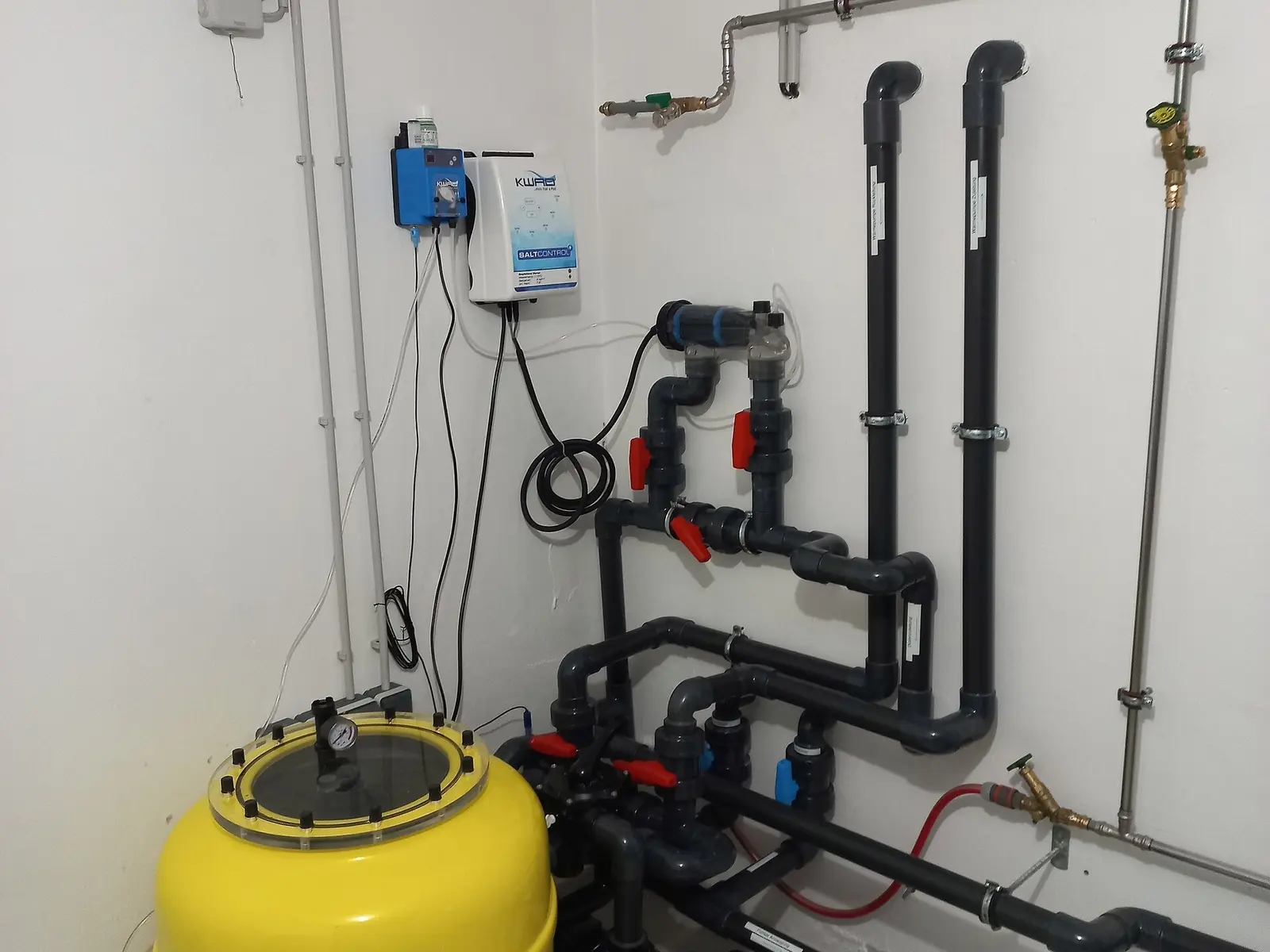
A role built around daily operations
A Certified Pool Operator, often called a CPO, has completed a recognized training and certification program focused on pool and spa operations. The training covers topics such as water chemistry, circulation, filtration, and operational safety. Certification supports an operator’s knowledge; it does not replace site-specific training or compliance with local requirements.
What the work looks like
Depending on the facility and agreement, an operator may test water, maintain operating records, inspect equipment, coordinate maintenance, and respond to water-quality problems. The useful question is not just whether someone holds a credential, but how those tasks are scheduled, documented, and communicated at your property.
An operator and a lifeguard do different jobs
Lifeguards focus on surveillance, prevention, and emergency response within their assigned duties. Pool operators focus on water and facility systems. Someone may hold both credentials, but staffing plans must allow each responsibility to be performed properly. Do not assume equipment work can happen while a guard is actively responsible for watching swimmers.
What property managers should ask
Ask who is responsible for daily checks, how concerns are escalated, and who has authority to close the pool when needed. Verify current credentials and applicable requirements with the appropriate authorities. Clear responsibilities make the credential meaningful in everyday operation.